

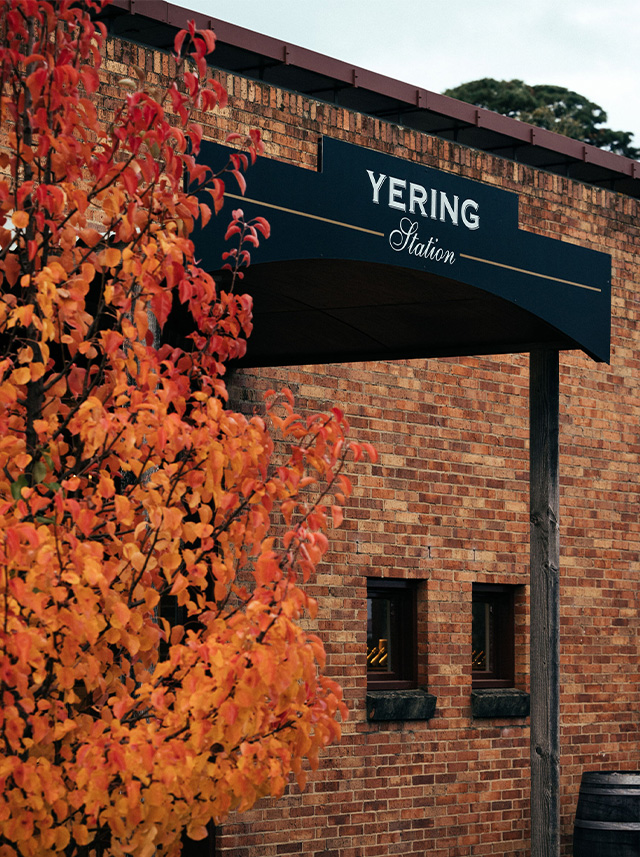
Yering Station Viticultural Practises

A Quote from our Vineyard Team:

"In the Yering Station vineyard we liken cool climate wine growing to an old world chef taking three days to cook a traditional meal on low heat. While the same dish cooked over four hours will still be good, it will lack the depth and layers of flavour and colour that only the slow method will provide".

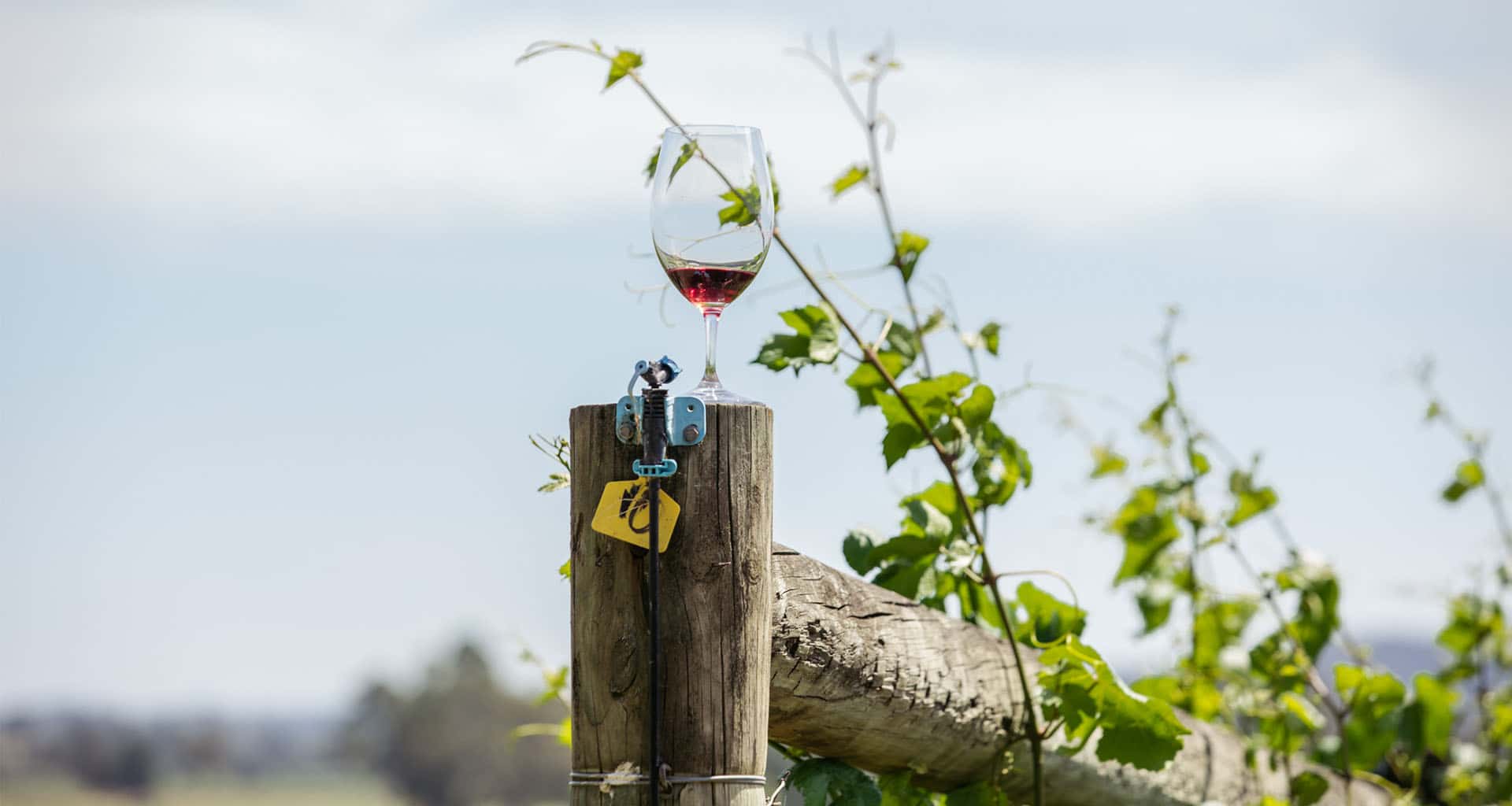
The Yarra Valley has variable and long growing seasons, encouraging expressive and distinctive varietal flavour and complex structure. Viticultural practises at Yering Station consider old world techniques, and apply Australian innovation relevant to the unique environmental conditions.

Vine balance, varietal flavour integrity and structure are key aims in the Yering Station vineyard. Crop levels are meticulously monitored to ensure that optimal balance between yield and quality is maintained each year. For the most part our vines are 'dry grown' with manual irrigation applied sparingly when required to improve vine uniformity and consistency, imperative to growing quality fruit.

Yering Station produces a wide range of wine varieties. Each of these varieties is given every opportunity to reach its full potential in the vineyard. Due to the nature and shape of the Yarra Valley, each location presents variations in aspect, slope and soil type. The idiosyncratic nature of specific vineyard sites enables us to create more stylistic wines with varietal integrity. As each year brings unpredictability and difference, the vineyard team work around the clock with seasonal change and environmental conditions to ensure every vintage potential is optimised and that the fruit is a true expression of the season or vintage.

Yering Station Vineyards

Yering Station was purchased by the Rathbone family in 1996 with 20 acres of established vineyard. Today our plantings have developed, establishing 5 separate Yarra Valley vineyards totaling 275 acres of yielding vines. The impact of terroir - character deriving from the vineyard - upon the resulting wine offers a great point of comparison in the finished product. The Yering Station single vineyard range (available only through Cellar Door or online ) showcases these differences, selecting particular varieties from certain sites to be bottled under separate labels.

The Yering Station estate vineyard claims the proud title of being first vineyard planted in Victoria (see History ). This site boasts the vines producing our acclaimed Reserve Pinot Noir. Lower elevation and moderate exposure provide an extended ripening period for this early budding variety. The uniform, fertile soil type enhances growth whilst cane-pruning and meticulously regulated crop levels (depending on the season) ensure flavour intensity. This slightly undulating site, coupled with carefully tailored clonal selection gives Yering Station estate fruit its distinctive 'terroir'.

The Laura Barnes vineyard was the first vineyard purchased by the Rathbone family in 1995. Our Viticulturalist John Evans, believes the older Cabernet Sauvignon vines on this site are beginning to reach their full potential whilst the Pinot Noir and Chardonnay fruit continually exceeds expectations. Located on the western hillside, the alluvial soils and mild vineyard aspect provide a site suitable for many varieties. The variance in elevation and exposure across all blocks adds complexity of flavour, whilst the mix of varieties and clones produces highly unique single vineyard wines. 


The Yarra Edge vineyard, owned and planted by the Bingeman family in 1983, has an aspect and exposure perfect for growing vines - particularly Cabernet Sauvignon. Vine vigor is low due to strong prevailing winds, an element naturally balanced by the hungry soils. Due to these winds and the Yarra River bordering the property, there is low disease pressure, and the Yarra river running alongside the property drains air away from the vines to lower the risk of frost. It should also be noted that the old vine chardonnay on the other side of the hill is a consistent performer and will make Reserve in good years.

The Muirs vineyard in Yarra Glen is also bordered by the meandering Yarra River and enjoys a north facing exposure. This appropriate aspect combined with the slightly rocky soil ensures suitability to Iatalian varieties Nebbiolo and Sangiovese (available only through Cellar Door). Although the vines are relatively young, (7-8 years) as time passes these varieties will benefit from all the advantages that vine age produces.

The Spring Lane vineyard is the only Yering Station site outside Yarra Glen. Springlane, near Coldstream, has a comparatively cool climate, accompanied by a higher natural rainfall. The northerly aspect receives high exposure and when countered by the cooler climate, works well to balance Shiraz. Correct clonal selection is succeeding as these vines continue to age. 

Seasons in the Vineyards

Autumn - Harvest

The Yering Station vintage normally commences in early autumn, although some years the harvest may begin in late summer (ie. 2006). The ripening process takes approximately 4-7 weeks. When the grapes reach a suitable composition of sugar (Baumé), acid and flavour levels viticulturalist, John Evans and winemaker, Willy Lunn make the decision to pick. A combination of hand picking and machine harvest is employed specific to site requirements. Picking generally occurs in the cool of the morning or night to ensure optimum preservation of fruit. Fruit is delivered to the winery promptly and efficiently.

Winter - Dormancy

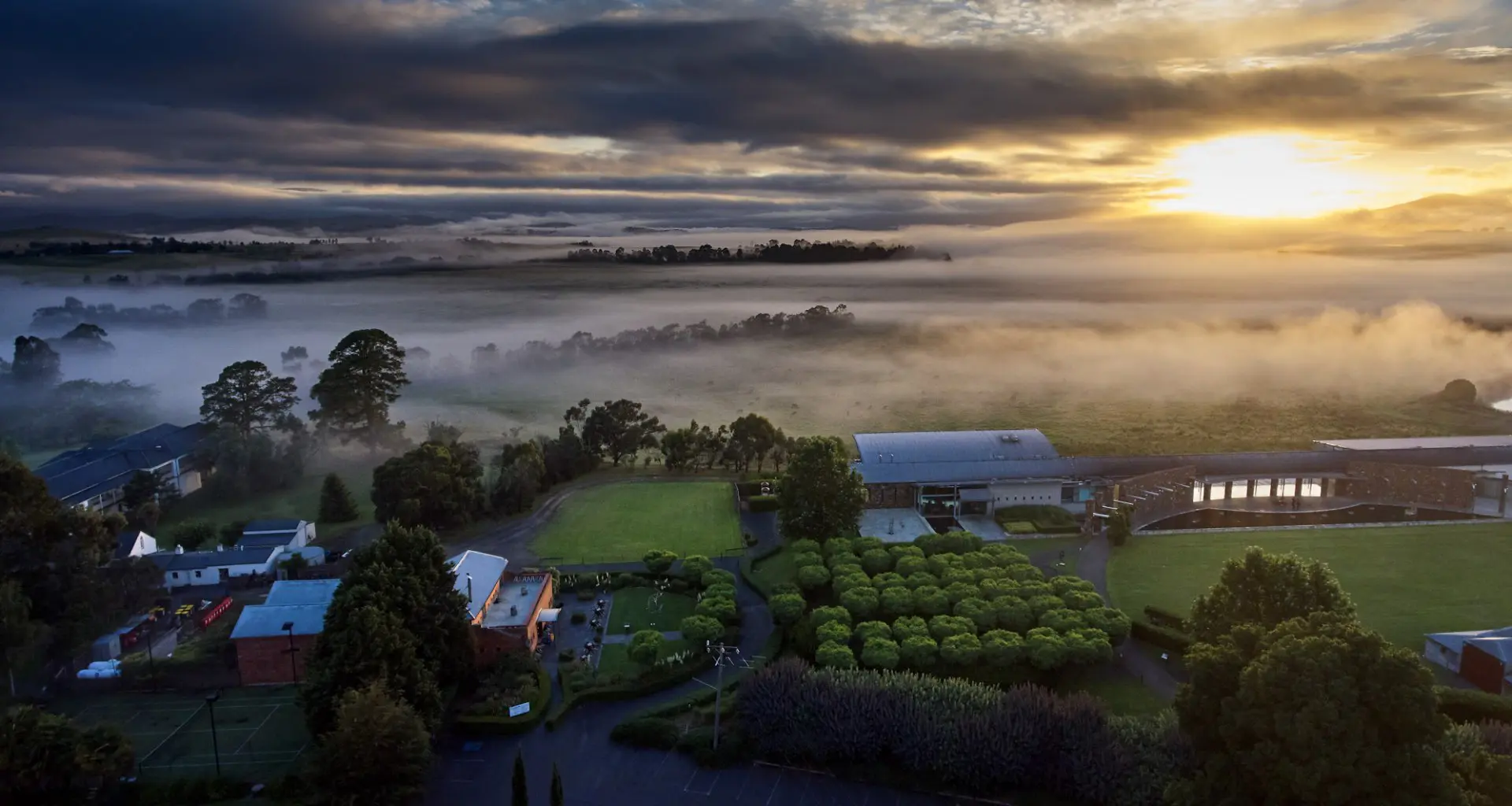
During winter the vine becomes dormant. In the cold, foggy mornings of the Yarra Valley winter (at least 10 days under 3 degrees) our vineyard team brave the weather to ensure each vine is pruned and wrapped down ready for spring. A number of buds are left untouched to ensure successful budburst.


Spring - Budburst

In Spring the buds begin to burst, bringing the vineyard to life and colour. From these buds burst shoots and new leaves forming the beginnings of grape flowers. As the season gains momentum and warmth, the shoots grow longer and the grape flower begins to form grape berries (a process called “berry set”). The vineyard team is busily monitoring the vines and crop thinning where necessary to maintain Yering Station’s optimum yield levels of 2-2.5 tonnes per acre.


Summer - Verasion

The ripening process or verasion begins- the sugar, flavour, tannin and colour development starts within the berry cells. Being a cooler climate, slow-ripening varieties such as Pinot Noir and Chardonnay excel in the Yarra Valley. Complex flavours are given time to develop throughout the fluctuating temperatures. Canopy management comes into play ensuring a balance between airation and shade protection for the fruit. Berry size (and subsequently bunch weight) increase dramatically. The vineyard team monitor growth closely and prepare for vintage - netting the vines as the fruit ripens to ensure decreased damage from birds and other pests.

 * 1 hectare = 2.5 (2.47)acres